
le beau-père: the French for stepfather or father-in-law (and the poet Baudelaire)
le beau-père means both stepfather and father-in-law. Learn it with a memory trigger, then read about Charles Baudelaire, whose mother and stepfather sent him to the Indies.
By Kevin Crocombe · 1 min read
le beau-père means both stepfather and father-in-law. It's masculine, of course.
stepfather, father-in-law

le beau-père
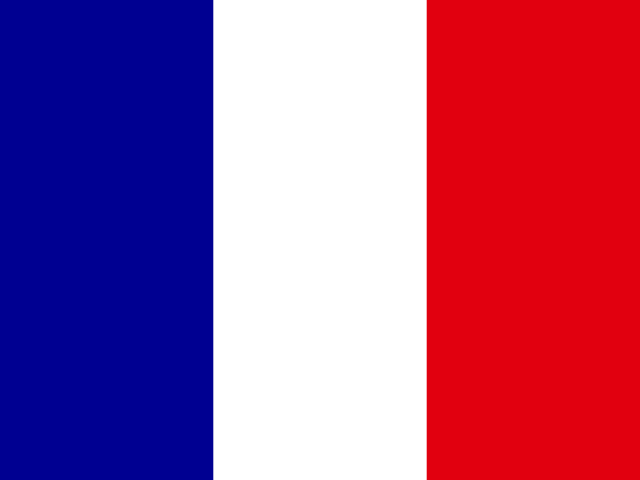

Sounds like “bow pair / pair / bows”, so imagine…
your father-in-law or stepfather (m) with a BOW PAIR, as in a PAIR of BOWS for archery.
Charles Baudelaire
The poet Charles Baudelaire had a beau-père too, and it was his mother and stepfather who sent him off on the journey that inspired his poems:
Charles Baudelaire, poète français, est né le 9 avril 1821 et est mort le 31 août 1867.
Charles Baudelaire, a French poet, was born on 9 April 1821 and died on 31 August 1867.
Adolescent, il était très turbulent, et sa mère et son beau-père décidèrent de l'envoyer en voyage aux Indes.
As a teenager he was very unruly, so his mother and his stepfather decided to send him on a voyage to the Indies.
L'exotisme de ce voyage l'a beaucoup inspiré pour ses poèmes.
The exoticism of that voyage greatly inspired his poems.
Charles Baudelaire a révolutionné la poésie : pour lui, le « beau » est plus important que le réalisme.
Charles Baudelaire revolutionised poetry: for him, beauty mattered more than realism.
La première édition des Fleurs du mal lui a valu une amende, et il a été obligé d'en retirer certains poèmes, jugés contraires aux mœurs de l'époque.
The first edition of The Flowers of Evil cost him a fine, and he had to remove some of the poems, judged to offend the morals of the time.
 el plátano
Try 200 Words a Day
Learn lots of vocab, fast!
200 Words a Day makes it easy to learn lots of vocab. 10 free lessons in every vocab course, no credit card needed.